|
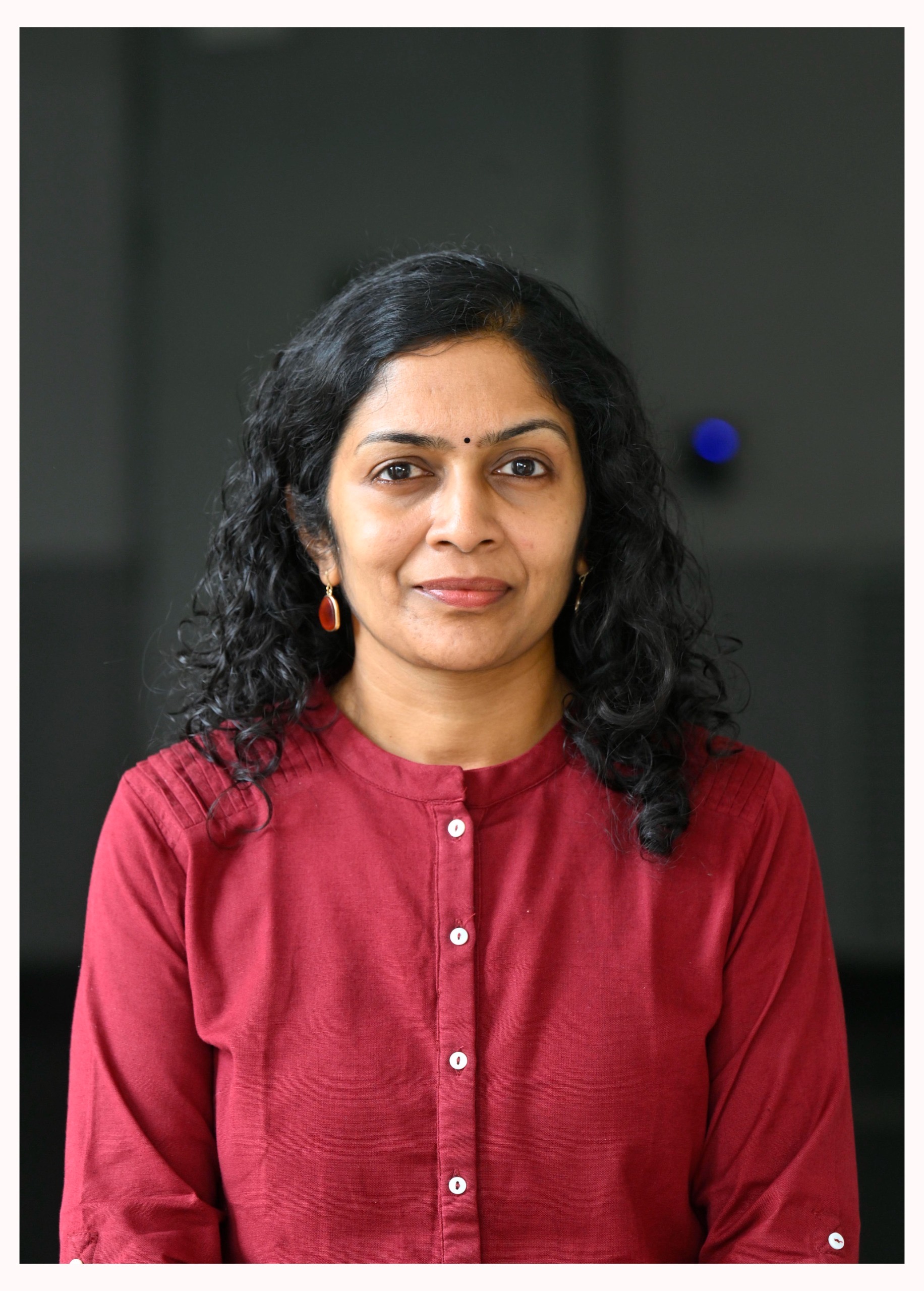
Sangeetha Devi is a Hyderabad-based film critic and journalist, with over two decades of experience as a feature writer and later, editor. She began her career with "The Times of India" before moving to "The Hindu", where cinema has been one of her focus areas within the features section. Her writings appear in the print and online editions of "The Hindu", and she occasionally does video interviews as well.
|
|
The first film that moved me:
|
|
More than ‘moved’, I’d like to mention a film that sparked my interest in cinema. I was in primary school when I first watched Mani Ratnam’s "Nayakan", accompanying my parents to a theatre in Coimbatore, where I grew up. I was too young to understand the nuances of the film, but I vividly remember how it sparked lengthy discussions at home for days. That was probably the first time I learnt of the importance of a writer and a director. We re-watched the film a few days later, and some scenes from it became a part of my core memories - the conversations between Velu Nayakar and his daughter, and the now-iconic line ‘Neenga nallavara, kettavara?’ (are you a good or a bad one?) have stayed with me ever since. My early exposure to the cinema of Mani Ratnam and K Balachander, alongside the more mainstream commercial films in Tamil and Hindi of the era, shaped my interest in cinema.
|
|
An overrated masterpiece:
|
|
Sanjay Leela Bhansali’s "Black". It’s a film that hasn’t aged well, for me. I would have preferred a more sensitive handling of a child with disability, and not to mention how the overall narrative turned out to be emotionally manipulative.
|
|
Film you return to:
|
|
It’s tough to pick just one. I tend to revisit comedies, rom-coms and feel-good dramas. I recently re-watched "The Devil Wears Prada" (2006), once again appreciating how well it’s written, and of course, the performances of Meryl Streep and Anne Hathaway, which have aged like fine wine.
|
|
A film I would recommend:
|
|
Director Rahul Ravindran’s 2025 Telugu film, "The Girlfriend". It came as a breather and a counterpoint to the alpha-male narratives that have dominated Indian screens in recent years. A few scenes, like the now-popular mirror scene, may be viewed as being overtly on the nose, but there were several aspects the writing managed to explore with clarity. For instance, how childhood experiences shape the adult relationships of both the male and the female protagonists. Fashioned as a slow-burn drama, the film, I think, also manages to capture the psychological aspect, particularly the claustrophobia one experiences in a stifling relationship.
|
|
|
|