FCG Newsletter September 2026: Special Feature
At the Toronto International Film Festival (TIFF)
— Poulomi Das
At this year’s Toronto International Film Festival, I kept finding myself drawn to films that asked variations of the same question: what can art reveal about the contradictions of a life?
South Korean auteur Lee Chang-dong’s Possible Love, his first film in seven years, begins as a story about two couples but gradually becomes a film about class, privilege and the uneasy distance between observing lives and actually living them. Hirokazu Kore-eda’s Look Back, adapted from Tatsuki Fujimoto’s manga, finds another version of that question in friendship, rivalry, grief and the almost irrepressible need to create.
Sandra Wollner’s Everytime was a hallucinatory fever dream about grief in the internet age, a film that seemed to invent its own language for mourning. And Javier Calvo and Javier Ambrossi’s La Bola Negra, which took TIFF’s People’s Choice Award, brought that conversation back to the audience: a film about identity, repression and the need to tell one’s story finding its most emphatic response from the people watching it.
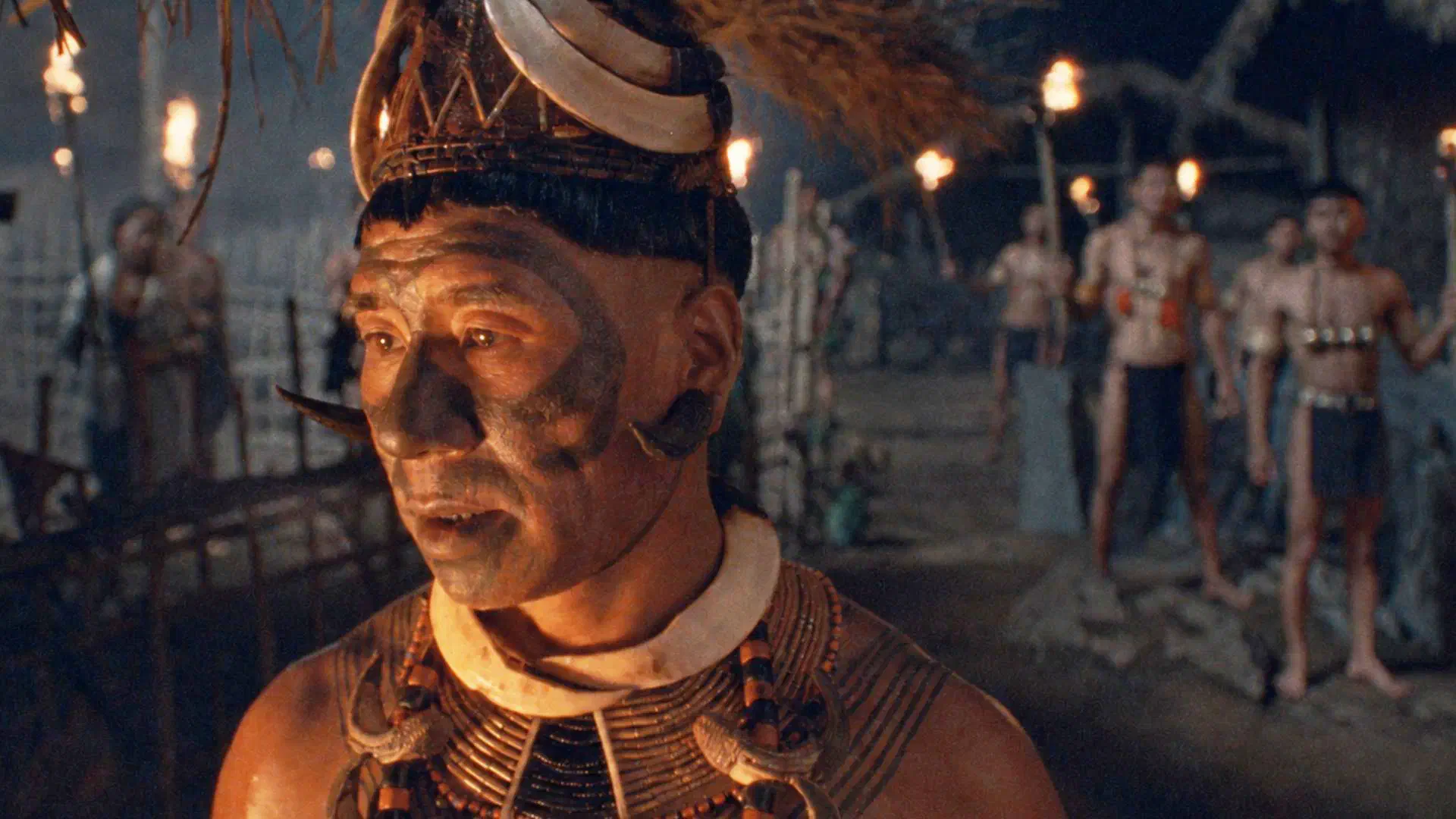
The South Asian films were where I felt that spirit most vividly. Theja Rio’s Angh, rooted in the Konyak community of Nagaland, was both deeply local and expansive. Its Platform Prize win, which makes the film eligible for the Best International Feature race at the Oscars, felt significant as recognition of an Indigenous cinema speaking in its own vocabulary. Abinash Bikram Shah’s Elephants in the Fog, Nepal’s entry for Best International Feature, brought a very different kind of unease, while Kartik Subbaraj’s Dorothy was the sort of unexpected discovery TIFF audiences warmed to without warning. Then there was Richie Mehta’s Phoolan, a film that circles back to the figure of Phoolan Devi, suggesting that Indian cinema’s fascination with her is far from exhausted.
What I carried home from covering the festival (made possible by the support of Rotten Tomatoes and the LA Critics Association) was not a single idea about what cinema should be. The films that lingered were the ones that complicated what I thought I knew — about love and class, memory and technology, history and myth, and more importantly, about the act of looking itself.