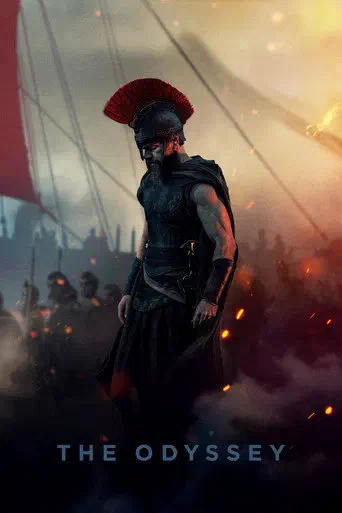
The Odyssey
Adventure Action Fantasy English
Odysseus, the legendary King of Ithaca, embarks on a long and perilous journey home following the Trojan War. Throughout his voyage, he is forced to confront the whims of gods, mythological monsters, and trials that stretch both his cunning and his humanity to the breaking point.
| Cast: | Matt Damon, Tom Holland, Anne Hathaway, Robert Pattinson, Lupita Nyong'o, Charlize Theron, Zendaya, Benny Safdie, Jon Bernthal, John Leguizamo, Himesh Patel |
|---|---|
| Director: | Christopher Nolan |
| Writer: | Christopher Nolan |
| Editor: | Jennifer Lame |
| Camera: | Hoyte van Hoytema |

All Guild Reviews of "The Odyssey"
A Spotify Review

Christopher Nolan’s The Odyssey serves as a massive anti-war critique of the insatiable appetites of men and the erosion of trust. From useless suitors to disgraced conquerors, and from Agamemnon’s bloody fate to the dishonour trailing Odysseus’ crew everywhere they go, the film isn’t subtle about its themes. We also talk about the terrifyingly atmospheric hell scene, contrast the stunning visual spectacle with its rushed pacing in parts, and question why the dialogue swings wildly between cryptic symbolism and super basic hand-holding.
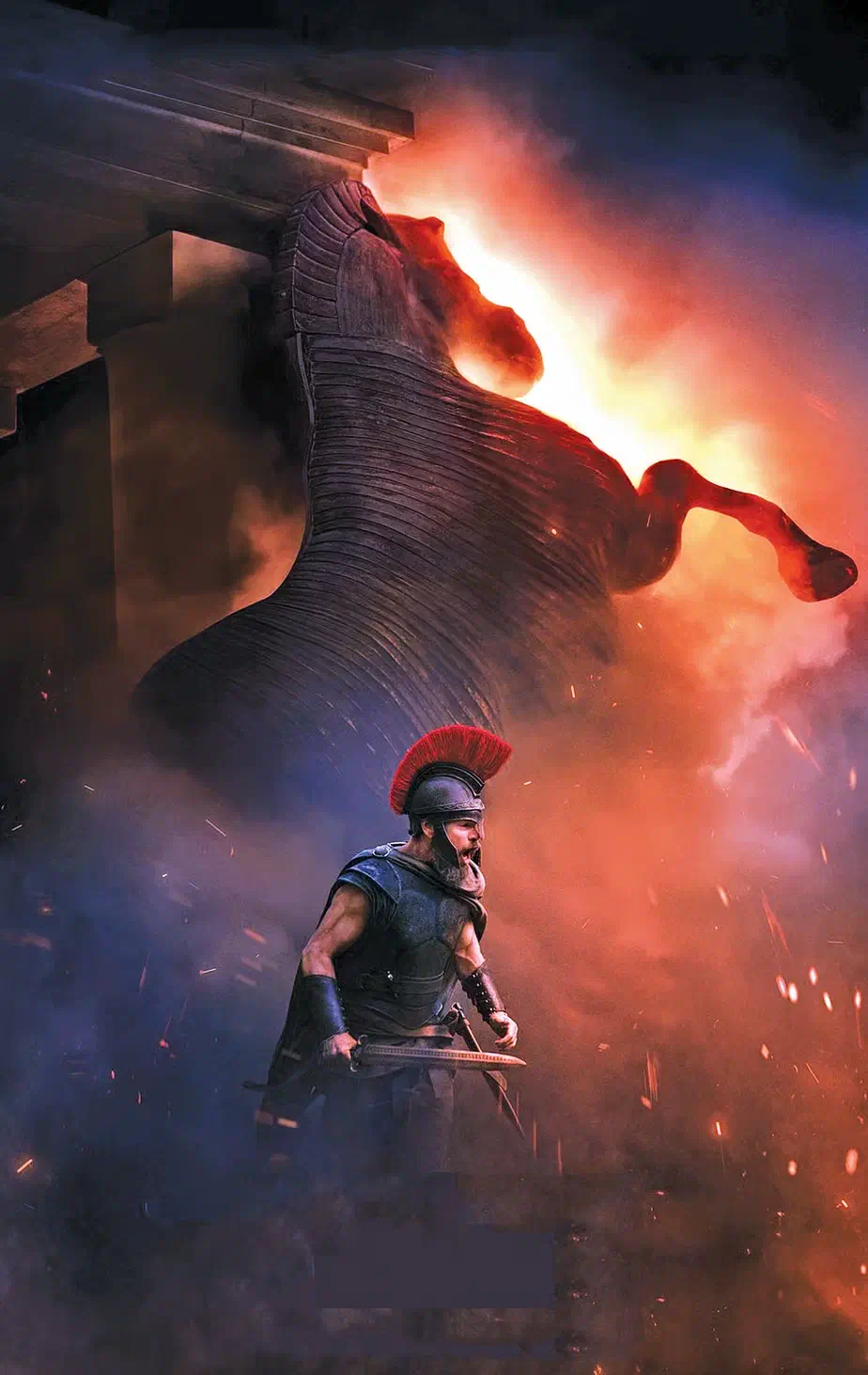

உலக சினிமாவின் பெருங்கரையை பேரிரைச்சலுடன் கடந்த தி ஒடிஸி' அலை, இன்னும் நின்றபாடில்லை. நேர விளையாட்டுகளின் மாய வித்தகன் இயக்குநர் கிறிஸ்டோபர் நோலன், இந்த முறை ஹோமரின் கிரேக்க புராணமான ஒடிஸி’யைத் தன் திரைமொழியில் பிரமாண்ட திரையனுபவமாக மாற்றியிருக்கிறார். நடிகர்கள் தேர்விலேயே சர்ச்சைகள் கிளம்ப, தனி மனித சாகசமாக நீளும் ஒரு புராணத்தைப் போருக்கு எதிரான பெருங்காப்பியமாக மாற்றியிருக்கிறார் நோலன். அதீத பொருட்செலவைக் கோரும் ஐமேக்ஸ் 70மி.மீ படச்சுருள் தொழில்நுட்பத்தில் படமாக்கப்பட்ட இதை நிச்சயம் பெரிய திரையில் காண வேண்டும் என்பதே நோலனின் கோரிக்கை! ஐமேக்ஸ் 70 மி.மீ திரையரங்குகள் இல்லாத இந்தியாவில், அதைவிடக் குறைந்த தொழில்நுட்பத்தில் காணவும் கூட்டம் அலைமோதியது நோலனுக்காக மட்டுமே!

Nolan Never Misses

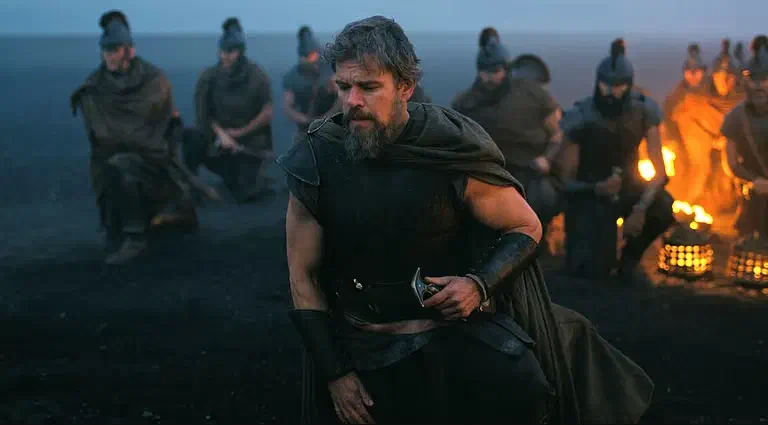
With 'The Odyssey', Christopher Nolan Closes the Loop

With his gracious version of Homer’s Greek epic, Christopher Nolan liberates us from the contortions of mythology
The homework required to process The Odyssey is a key part of the experience. Familiarising yourself with the fabled source material (Homer’s ancient Greek epic) goes hand in hand with re-acquainting yourself with the fabled director’s filmography. If you’ve been watching Christopher Nolan’s movies over the years, you’ve essentially seen the making of The Odyssey in real time. It’s not just the recurring themes of adrift men looking for a way home — to children, to comrades, to companions, to family, to themselves. It’s also in the physical images of Nolan-telling scattered across this narrative. There are flashes everywhere. A confused man wrestling with memory on the sea-shore (Inception); the piecing together of a disorienting past (Memento); an injured hero returning to rescue a city under siege (The Dark Knight trilogy); a blind worker, twins, and the obsession to win as a plot device (The Prestige); wars fought on hostile water and lands (Dunkirk); Trojan-Horse-coded deception by a Matt Damon character and a father chasing a belated promise (Interstellar); a thinker haunted by the consequences of his genius (Oppenheimer); a sleepless and guilt-riddled veteran (Insomnia); the blurred lines of time and tide (all of them). The film-maker has been adapting Homer for more than two decades. Like the protagonist, he finally returns home with The Odyssey, but not before defying the genre gods and braving the blockbuster elements.
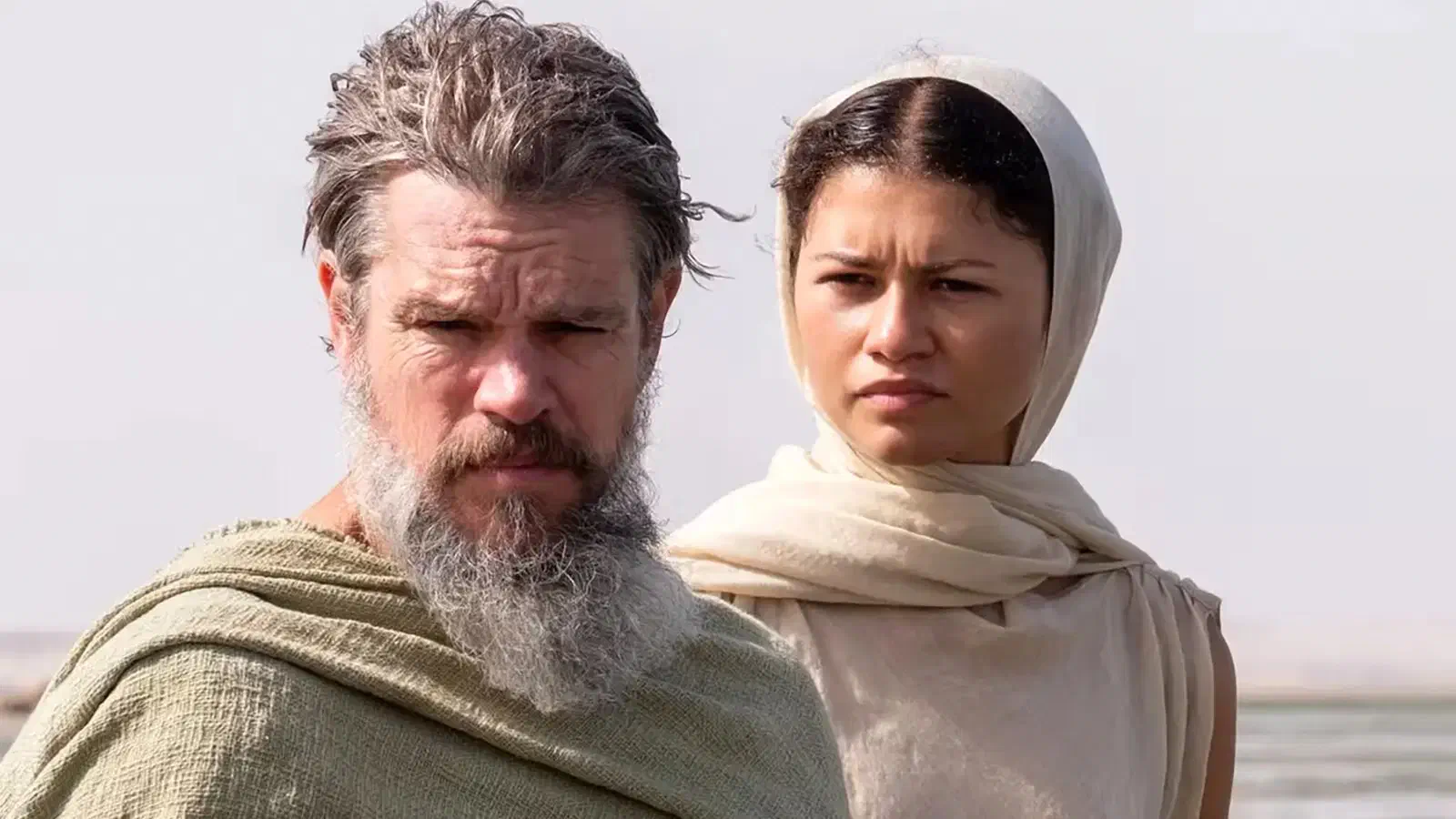
Homeward Bound

A Christopher Nolan film is always a reason for that extra excitement for any cinema buff. If Billy Wilder famously wondered, “How would Lubitsch do it?”, film lovers today often find themselves asking, “How would Nolan do it?” Whether it is space travel or a biopic about the scientist who created the most destructive weapon known to mankind, Nolan brings his own unique vision to storytelling. What makes his films special is the way he crafts them, using every cinematic tool at his disposal. In fact, he constantly pushes the boundaries of the medium.
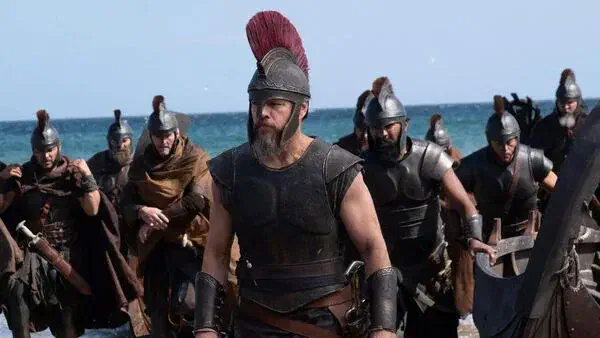
Nolan's Latest Is an Epic That's Missing Some Big Swings

Matt Damon stars as Odysseus in Christopher Nolan's impressively mounted but conservative adaptation of Homer's epic
I’d like to believe John Leguizamo is Eumaeus in The Odyssey because he was Tybalt in Romeo + Juliet (1996). To watch Baz Luhrmann’s film as a 12-year-old and hear Shakespeare’s language from the mouths of Leguizamo and Harold Perrineau and Dash Mihok rewired my brain. In Christopher Nolan’s latest film, Leguizamo plays a blind swineherd on the island of Ithaca living in the hope that his king Odysseus (Matt Damon) will return. It’s an oddly tender performance, but the electricity of his Tybalt is missing. In its place, extending across the entire cast, is a more limited provocation—imagine if ancient Greeks spoke like present-day Americans instead of posh Brits?
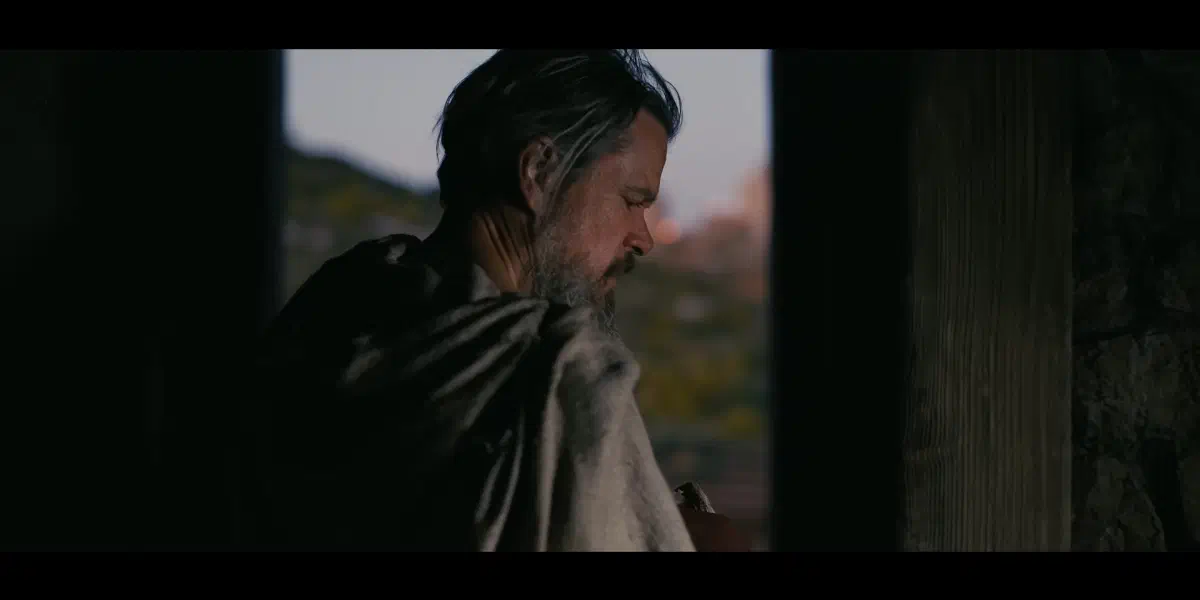
Christopher Nolan Rows Against the Tide and Brings the Hollywood Blockbuster Home

In his latest film, Nolan expands the Hollywood spectacle in not only vision and scale, but also intellectual inquiry.
Is there a director working today who has been able to consistently match the crescendo of the last minutes of a Christopher Nolan film? Since Memento (2000) – barring Insomnia (2002), the only remake Nolan has made – the final stretch of most Nolan films could bring corpses to life. In fact, I think one of the most crucial tricks behind his popularity, his ‘prestige’ if you may, might be his ability to finish strong. His weakest film, The Dark Knight Rises (2012), after plodding along for 164 minutes, ends with a spectacular five-minute montage tying all the loose ends of the Batman trilogy. The montage is so good, it almost made me forget what a clunky film I’d seen. In The Odyssey, Nolan delivers his usual rousing climax, but the knockout punch comes a few scenes before. Odysseus (Matt Damon) is talking to his wife, Penelope (Anna Hathaway), for the first time in 20 years. After spurts of flashbacks about the Trojan war peppered through the 173-minute film, this is the first time Odysseus looks back on his storied invasion in the most clear-eyed manner.
Latest Reviews
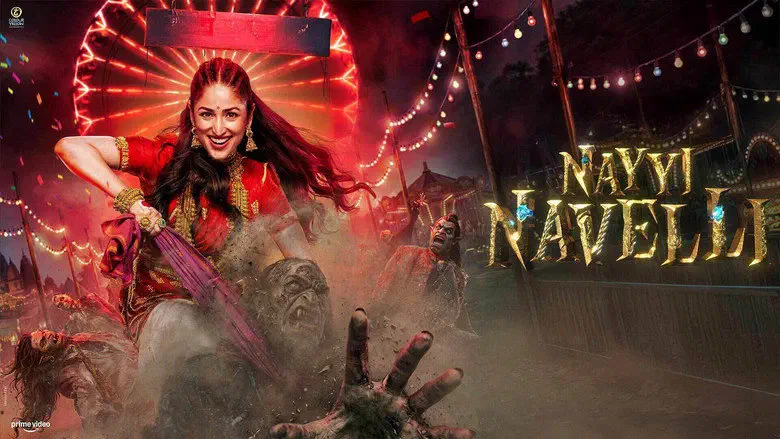
Nayyi Navelli
Adventure, Fantasy, Comedy, Drama (Hindi)
A new bride's arrival turns a turbulent household in Meerut into a picture of domestic harmony,… (more)

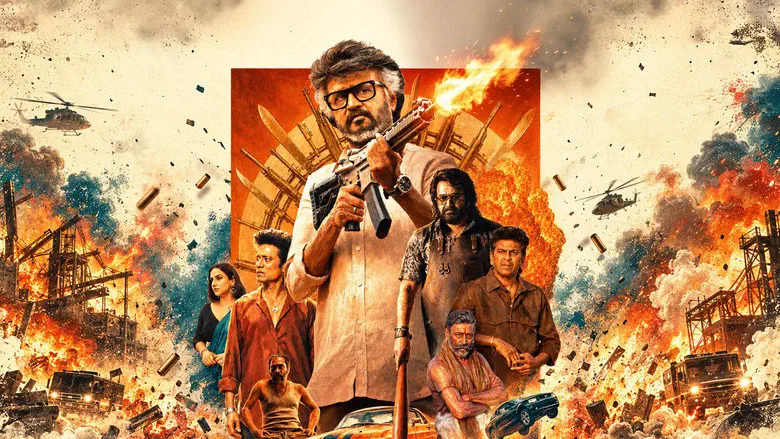

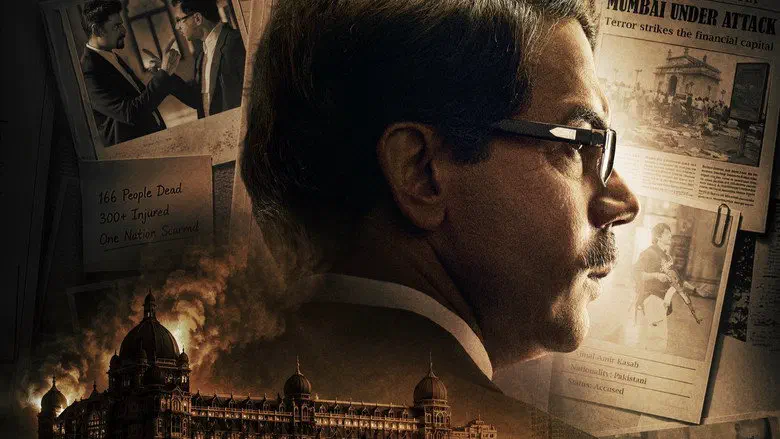

Prahaar: The Untold Story of Ujjwal Nikam
Crime, Drama (Hindi)
Public prosecutor Ujjwal Nikam takes on one of the most high-profile criminal cases in India’s history,… (more)