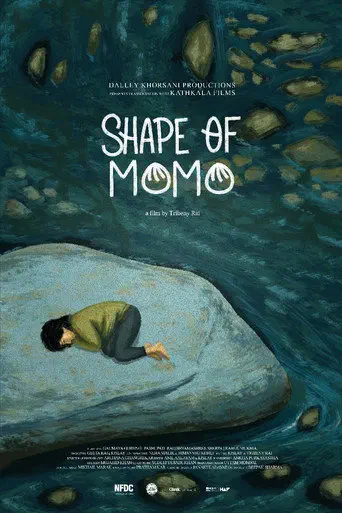
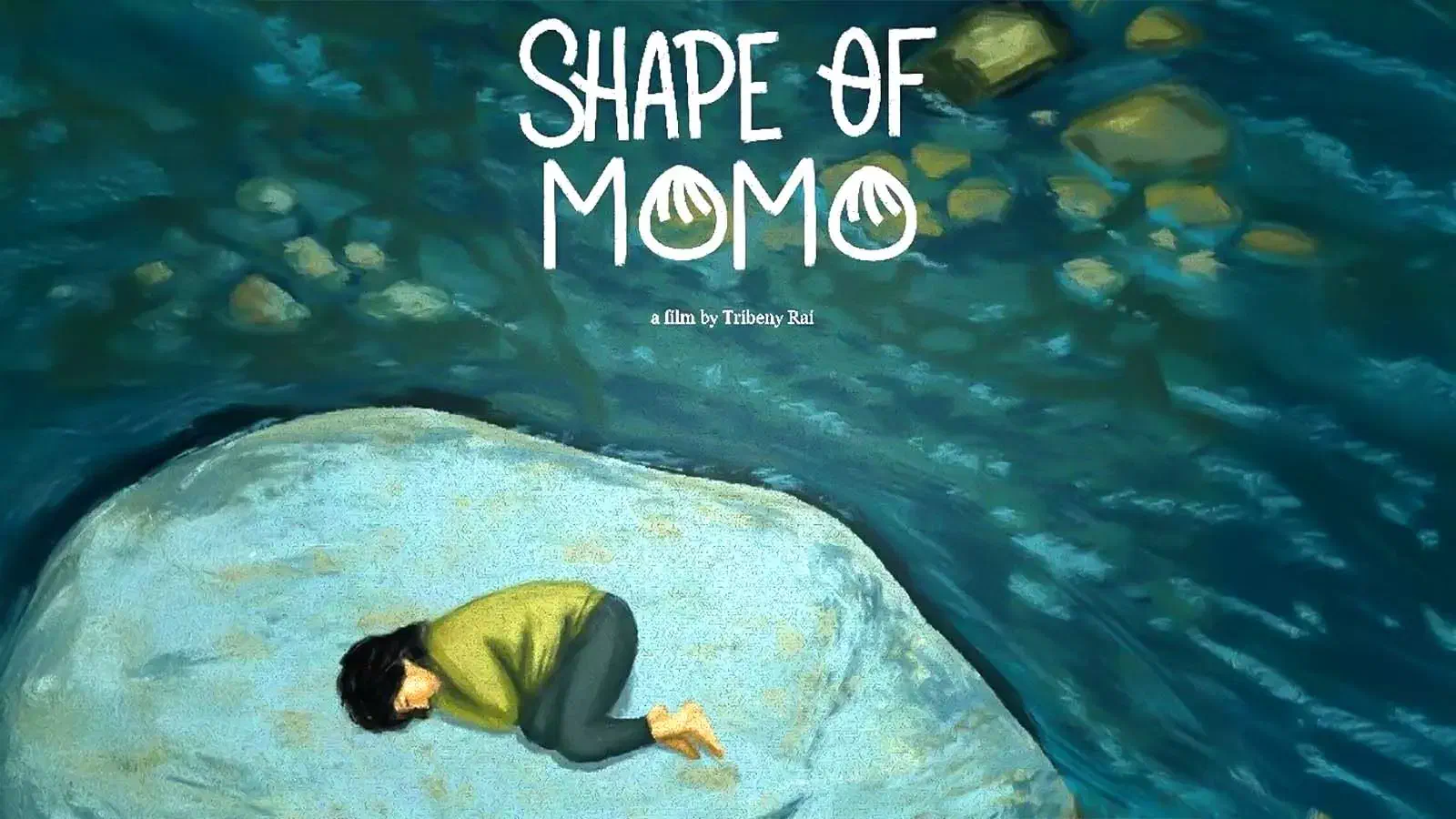
Shape of Momo
Drama Family Nepali
Bishnu returns to her Himalayan village after quitting her job, only to face mounting family pressures and societal expectations. As tensions rise with her pregnant sister's arrival and a budding relationship with a "suitable" boy from her community, Bishnu must choose between conforming to tradition or claiming her independence.
| Cast: | Gaumaya Gurung, Pashupati Rai, Shyama Shree Sherpa, Rahul Nawach Mukhia, Janaki Kadayat, Sonam Bomzon, Bhanu Maya Rai, |
|---|---|
| Director: | Tribeny Rai |
| Writer: | Kislay Kislay, Tribeny Rai |
| Editor: | Aalayam Anil Kumar, Kislay Kislay |

All Guild Reviews of "Shape of Momo"
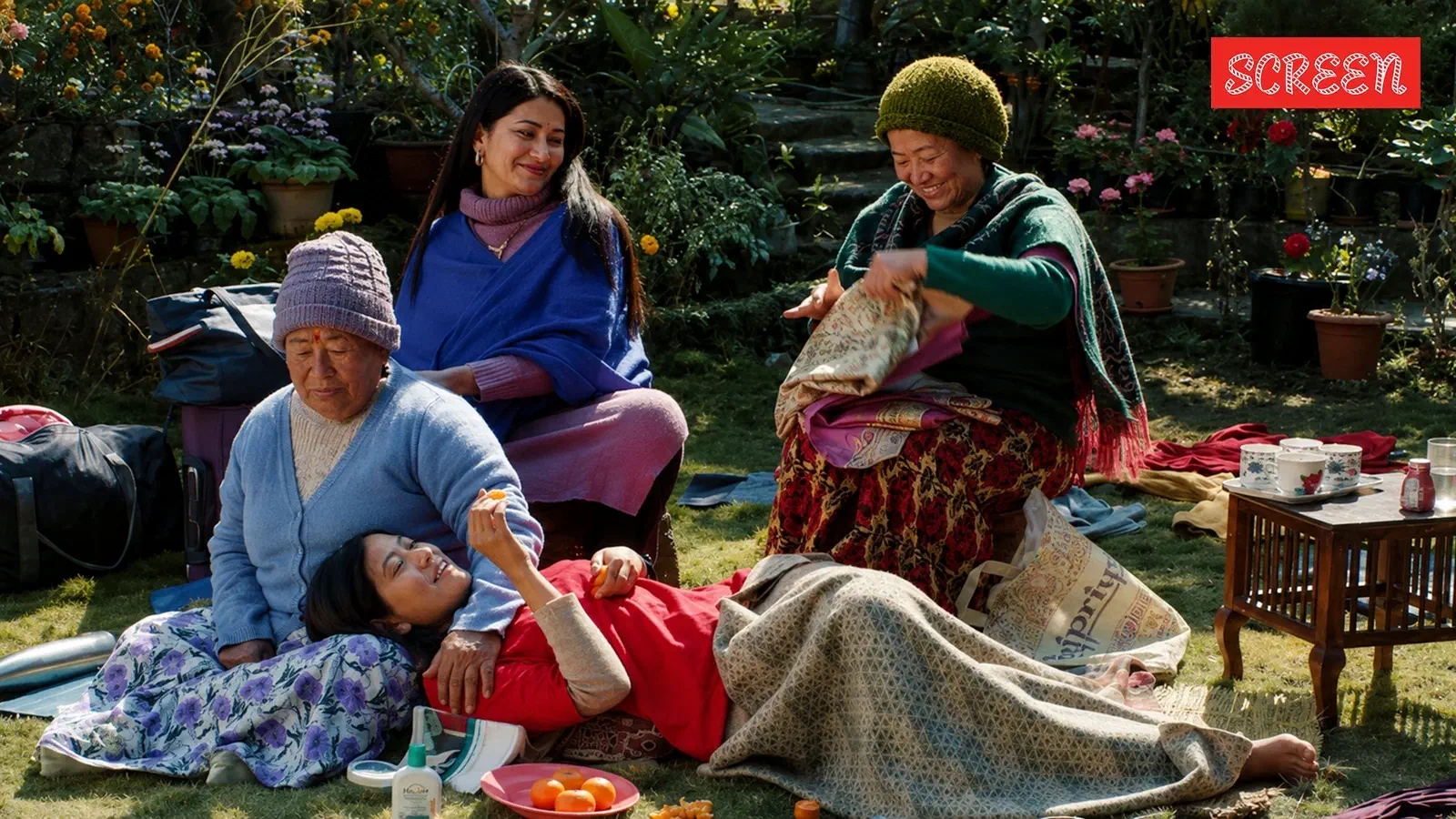
A Deeply Felt Tale of Dreams and Desires

Tribeny Rai assimilates several themes in a film which has the courage to back a lead character who refuses to confirm, or to be likeable.
Under its deceptively calm surface, there’s a lot going on in Tribeny Rai’s assured debut Shape of Momo. Based on Rai’s own experiences, the film assimilates several themes– the search for self, the definition of home, gender roles, family ties– in a film which has the courage to back a lead character who refuses to confirm, or to be likeable. While the other themes are familiar, the creation of Bishnu– stubborn and soft at the same time– breaks free from the good-girl trap that most female characters find themselves confined in, in our mainstream cinema. Only recently have we had characters (Varsha Bharath’s ‘Bad Girl’) that have broken free, and in turn, allowed the films to chart unexplored territories.
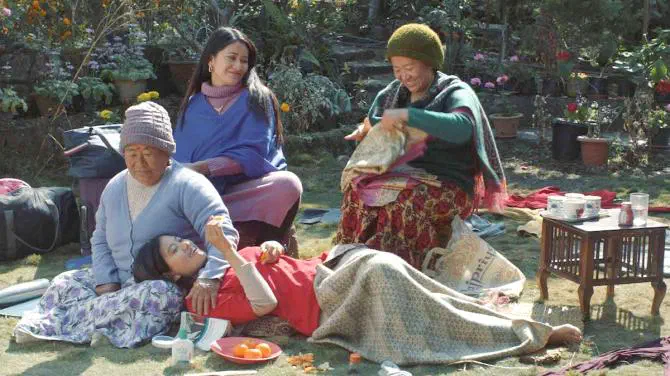
A Sublime Slice of Womanhood

A compelling drama that masterfully portrays a young woman's rebellion against societal expectations in Sikkim, offering a nuanced look at feminism, family dynamics, and the search for identity
Anything may happen when womanhood has ceased to be a protected occupation, scoffs Virginia Woolf in her fiercely feminist 1929 essay A Room of One’s Own. Her sarcasm over patriarchy’s need to confine women in roles decided by men carves 32-year-old Bishnu’s (Gaumaya Gurung) rebellion in director Tribeny Rai’s superbly sublime Shape of Momo. A frame of Woolf’s essay, flanked by a picture of poets Rabindranath Tagore and Bishnu Kumari Waiba aka Parijat – the Nepali writer she shares her name with – adorning the walls of Bishnu’s childhood bedroom in her Sikkim home are telling of the liberal literature she fed on before escaping to Delhi in search of greener pastures.
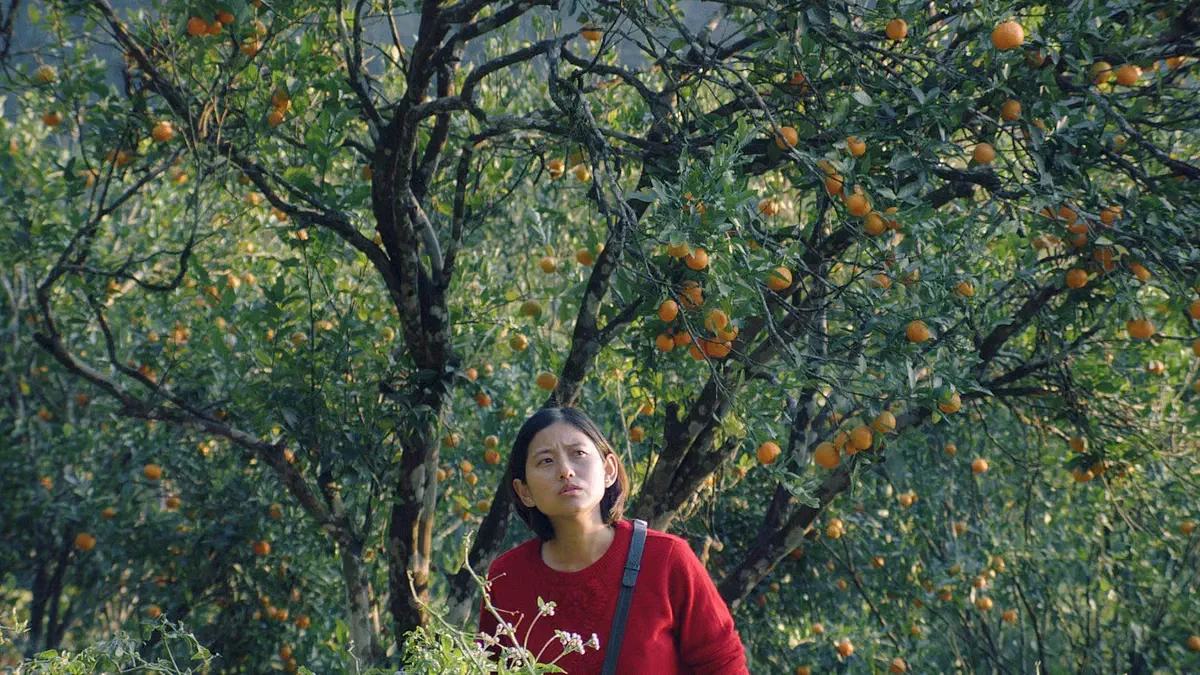
A Sweet and Savoury Coming-of-Age Drama

Tribeny Rai’s tender film about a Sikkimese migrant back in her village shares a spiritual universe with Payal Kapadia’s ‘All We Imagine As Light’
Most homecoming stories have a narrative pattern. Especially the feel-good ones. The central character returns to their village from the big city. But the perspective is new. Suddenly everything feels regressive. There are problems and prejudices. The locals sound smaller, and the enlightened protagonist operates from a higher moral ground. Social change is inevitable; the hero simply knows better. Either they leave as the bigger person or stay to fix it all. It’s the urban-saviour syndrome refitted into a back-to-roots template.
Tribeny Rai’s Assured Debut, Is a Portrait of Womanhood That Refuses Easy Answers

Set in rural Sikkim and built on three generations of women, this Nepali-language film is one of the finest Indian debuts in recent years. With this, Rai joins the ranks of filmmakers from the Northeast who have insisted, one film at a time, that their stories belong in mainstream cinema on their own terms and in their own languages.
There is a certain kind of homecoming story Indian cinema has told so many times that it has become its own grammar. Someone leaves their village for greener pastures. They survive the city and then return changed, sharper, more knowing. The village is the past; they are the future. Tribeny Rai’s stirring Nepali-language debut feature, Shape of Momo, begins as if it is that story and then methodically dismantles it. The film, set to release in theatres on May 29, opens with Bishnu (Gaumaya Gurung), freshly back in her village in rural Sikkim after quitting her job in Delhi, reading out a piece of advertisement copy she has written to a room full of relatives and elders. And then, in the same breath, the conversation turns to which of the few men still living in the village might make a suitable husband for her. Her face simply shuts. That small moment is the film’s thesis: that no amount of distance, education or financial independence fully immunises a woman from the place she comes from, because the place is not just geography. It is an expectation handed down for so long that it has started to look like inheritance.
Latest Reviews

The Diplomat S04
Drama, War & Politics (English)
Amid an international crisis, a US diplomat contends with her high-profile job as ambassador to the… (more)


Nayyi Navelli
Adventure, Fantasy, Comedy, Drama (Hindi)
A new bride's arrival turns a turbulent household in Meerut into a picture of domestic harmony,… (more)

Street Fighter
Action, Fantasy (English)
In 1993, estranged Street Fighters Ryu and Ken Masters are thrown back into combat when the… (more)

Prahaar: The Untold Story of Ujjwal Nikam
Crime, Drama (Hindi)
Public prosecutor Ujjwal Nikam takes on one of the most high-profile criminal cases in India’s history,… (more)