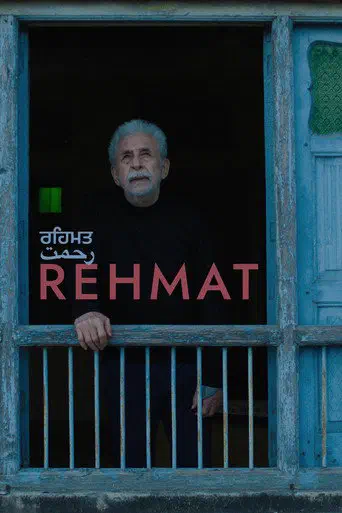
Rehmat
Drama Punjabi
Three interconnected stories in present-day Punjab. A woman secretly shelters a wounded stranger within her home, while his family endures the weight of grief and impossible choices. Meanwhile, a mysterious elderly man arrives in a village, calling himself God.
| Cast: | Naseeruddin Shah, Mita Vashisht, Suvinder Vicky, Diya Kamboj, Harwinder Singh Aujla, Jaswant Zafar, Navjot Randhawa, Anita Meet, Inder Bajwa, Sahej Aziz, Jashanpreet Singh Sidhu |
|---|---|
| Director: | Gurvinder Singh |
| Writer: | Gurvinder Singh |
| Editor: | Dupinder Kaur |
| Camera: | Shashank Walia |
All Guild Reviews of "Rehmat"
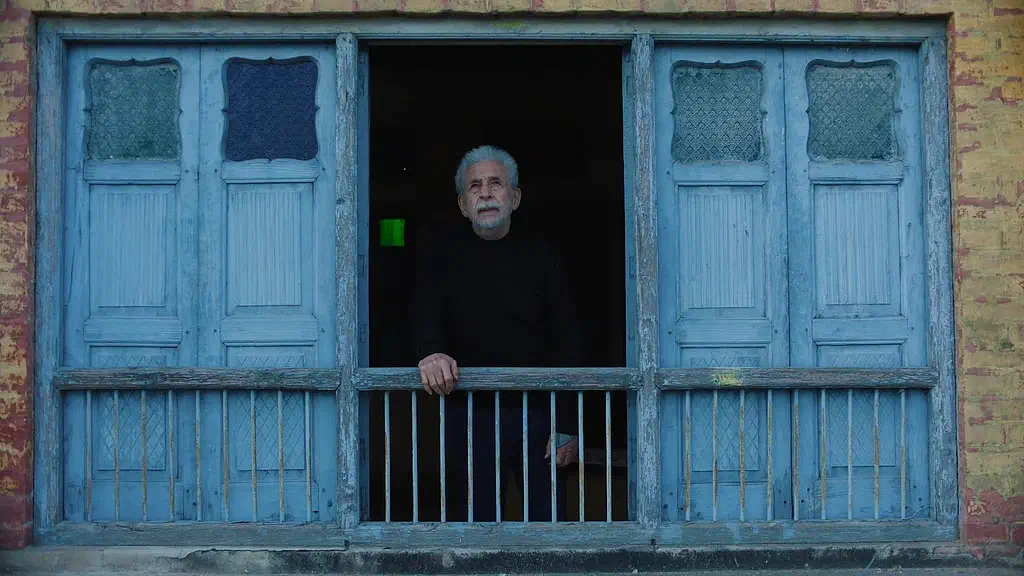
Naseeruddin Shah Reclaims the Plurality of Punjab

Gurvinder Singh’s tranquil picture of India’s most storied region had its world premiere in the main competition of the 79th Locarno Film Festival
It’s present-day Punjab but it could be Punjab 1995; it could be India 1984. The village of Gujjarwal bristles with unsaid questions and silent answers. Big Bollywood movies (like Dangal) have been shot in the region, but the place is haunted by its own fictions. Everyone’s story is interconnected, like desperate organs of a wounded body. A young man named Keshav is absent from one household; a young father named Balwinder is missing from another. The police go around camouflaging bloody encounters as separatist violence and communal unrest. They assure Keshav’s family that his Sikh killers will be brought to justice; they visit Balwinder’s family to keep an eye on their voices.
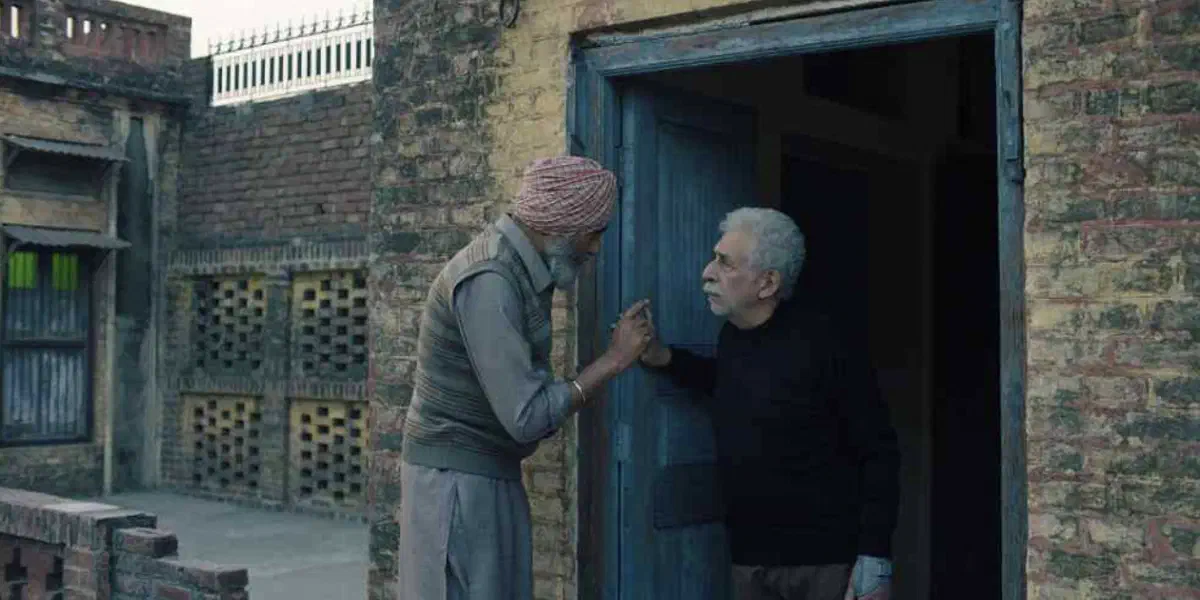
Gurvinder Singh Foregrounds Punjab’s Grace Amid Upheavals

Rehmat is Gurvinder Singh’s idea of how he wants to see India: warm, thoughtful and neighbourly.
In Gurvinder Singh’s Rehmat, no guest is turned away. Whether it’s an alleged militant, or an out-of-state traveller, everyone is offered the respectful hospitality one associates with Punjab. Singh’s film opens with a prologue text noting the chapters of violence Punjab has witnessed during its many socio-political upheavals, and has left its scars. Especially the partition of 1947, and the insurgency of the 1980s. It might have contributed to the PTSD (Post Traumatic Stress Disorder) for an entire generation, and yet it’s this dichotomy that seems to be at the heart of Singh’s film: a state full of traumatised civilians don’t let bitterness get in the way to greet an unannounced guest. It’s probably not a coincidence that the title of Singh’s film translates to ‘grace’.
Latest Reviews

Drishyam: The Conclusion
Thriller, Drama, Mystery, Crime (Hindi)
Years after outsmarting the police, Vijay Salgaonkar's past resurfaces when a new evidence threatens to expose… (more)