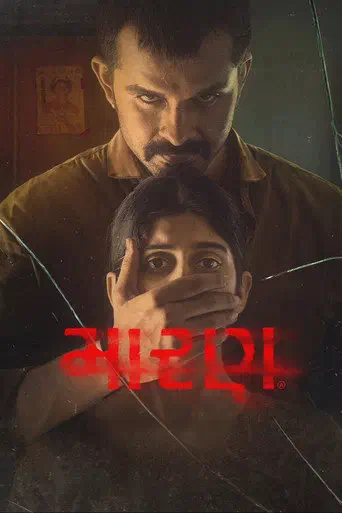
Maaran
Drama Thriller Gujarati
In a patriarchal society, two strangers - Birwa, a trafficking survivor, and Tara, who faces the same fate - are drawn into the path of a ruthless predator. Maaran exposes the devastating impact of gender-based violence and oppression.
| Cast: | Yash Soni, Deeksha Joshi, Shruhad Goswami, Tarjani Bhadla, Abhinay Banker, Parmeshwar Sirsikar, Vaishakh Rathodd, Kukul Tarmaster, Prachi Thaker, Dhairya Thakkar, Druma Mehta |
|---|---|
| Director: | Abhishek Jain |
| Writer: | Divya Thakore |
| Editor: | Harsh Anandani, Devarshi Barot, Omkar Nilange |
| Camera: | Pratik Parmar |
All Guild Reviews of "Maaran"
Hard-Hitting Saga on Flesh Trade and Society’s Victim-Shaming Tendency

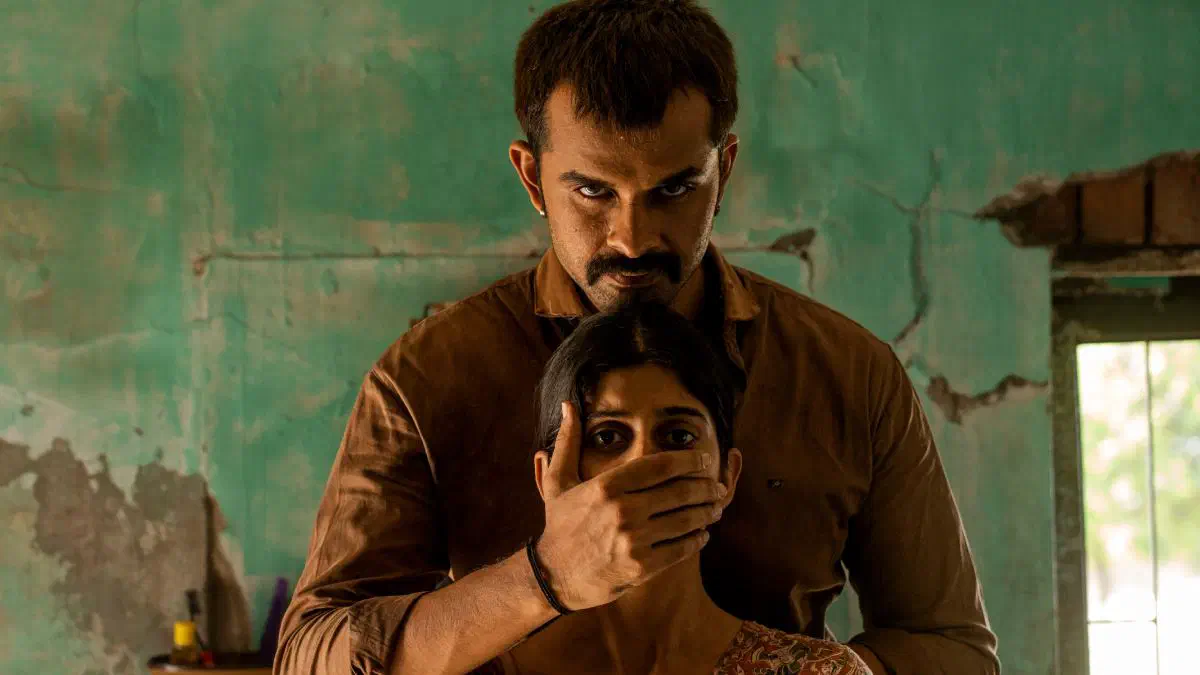
Maaran, which is a Gujarati film, is based on the illegal business of flesh trade. The story takes place in a fictitious village called Vaadi. Supplying girls is the main business for Ratan (Yash Soni) but he keeps it in the shadows. For the world, he works as a security guard in a posh tower in the city outside the village. Ratan lives with Birwa (Deeksha Joshi), who he had abducted five years ago. The girl’s younger sister Purva (Tarjani Bhadla) has been searching relentlessly for her. Ratan and Birwa’s life goes through some change when the former’s friend and acquaintance Babu (Shruhad Goswami) abducts Urmi (Prachi Thaker), who turns out to be a tough girl. Meanwhile, Ratan eyes Tara (Druma Mehta), who stays in the tower he works at, as his next target.

Fear and Loathing in Modern-Day Gujarat

Abhishek Jain’s National-award winning Gujarati thriller is a potent and well-performed examination of patriarchy and its psychological scars
One would imagine gender-based violence is the ‘safest’ way to be critical these days. It’s the most acceptable method to scrutinise a country without offending the world and its father(s). But some of the most potent takes on Indian patriarchy come from the voices shaping contemporary Gujarati cinema. It’s not as simple as “the region is full of repressed masculinity and casual sexism”. Given how tricky it is to be politically expressive in the state, there’s an overt sense that the patriarchy in these stories is not isolated from the society that breeds it. The genre itself is political. The characters and craft work harder to catch our eye because they stem from a culture where misogyny and moral policing are normalised as rhetoric by leaders and campaigns.
Latest Reviews


Lust Stories 3
Romance, Drama (Hindi)
Through four bite-sized yet emotionally resonant films, the anthology once again explores lust, love, relationships, and… (more)