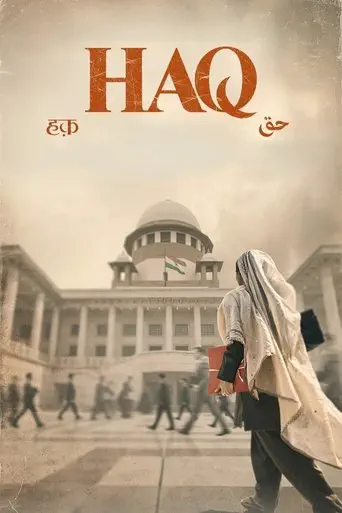
Haq
Drama Hindi
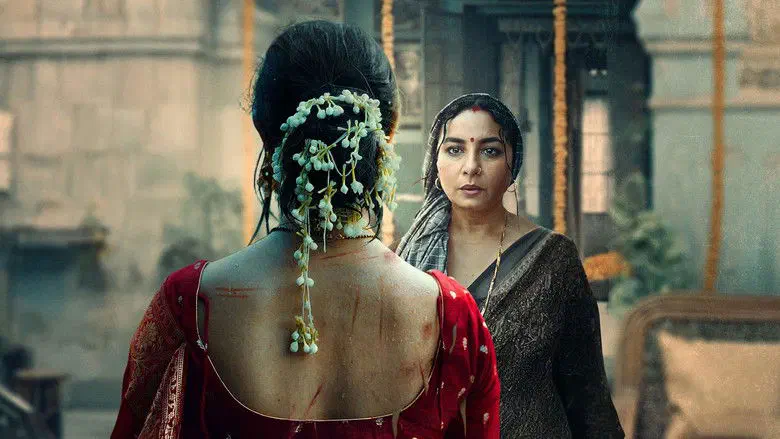
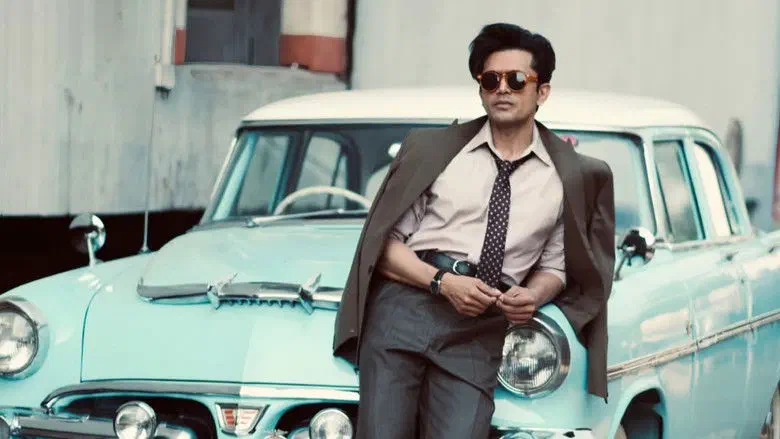
In 1980s India, Shazia Bano takes her husband to court after he abandons her and their children, sparking a national battle over faith, women’s rights, and justice.
| Cast: | Yami Gautam, Emraan Hashmi, Danish Husain, Sheeba Chaddha, Vartika Singh, Aseem Hattangady |
|---|---|
| Director: | Suparn Verma |
| Writer: | Reshu Nath |
| Editor: | Ninad Khanolkar |
| Camera: | Pratham Mehta |

Guild Reviews
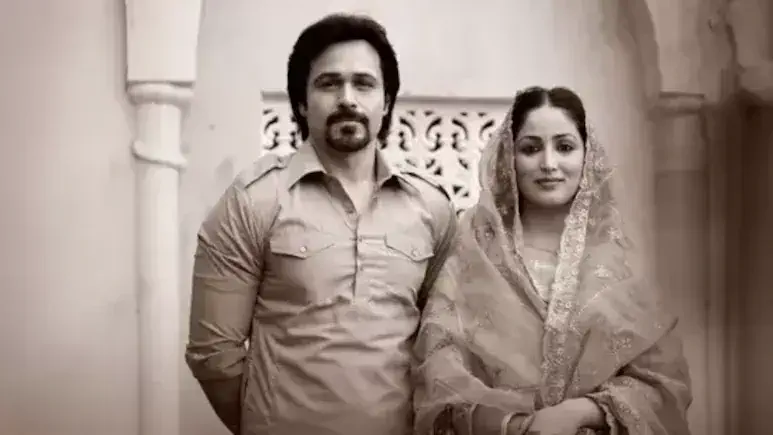
Emraan Hashmi And Yami Gautam's Film Stays Rooted In Real World

Until two prolonged and pointed courtroom soliloquies are staged in quick succession late in the film – one is delivered by Emraan Hashmi, the other by Yami Gautam Dhar, with both actors acquitting themselves to perfection – Haq opts for sustained restraint even in its most dramatic passages. It is this temperance that defines the film. It is rare for a Bollywood film these days not to froth at the mouth when talking about India’s principal minority community and summarily stereotyping it. Directed by Suparn S. Varma and written by Reshu Nath, Haq tackles an emotive and sensitive topic. It could easily have gone overboard. That it does not is the film’s greatest strength.
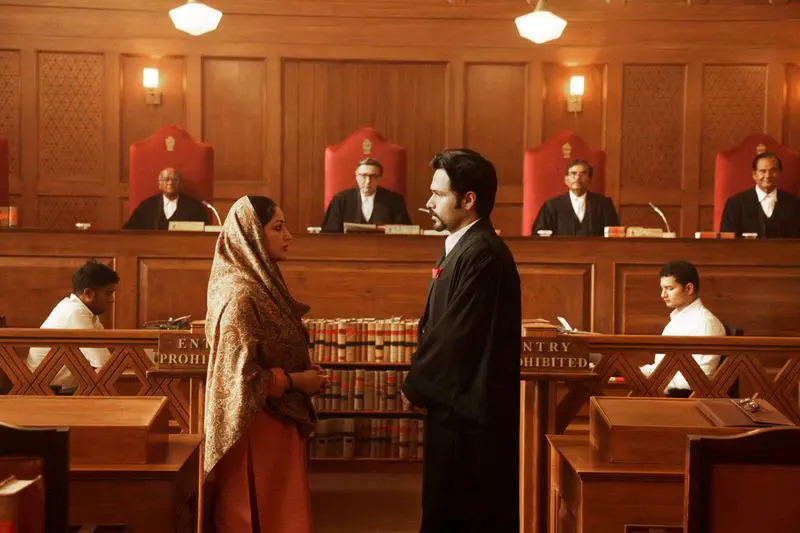
Fight for ‘Haq’ that gets it just right

hah Bano is a name etched in the annals of judicial history, as an epitome of resistance and resilience. Of course, in ‘Haq’, though inspired by Jigna Vora’s book ‘Bano: Bharat ki Beti’, the name is Shazia Bano. Why ‘Haq’, revisiting the landmark 1985 Supreme Court judgment on Muslim women’s right to maintenance, had to seek refuge under a long disclaimer and change of name needs no second guess. As things stand, Shah Bano’s daughter has filed a case against the makers (which has been dismissed). With the exceptionally well-made film, we don’t know whether this re-imagination of the historic verdict in favour of Shah Bano will satisfy her daughter or not, but naysayers fearing a dose of Islamophobia can relax.
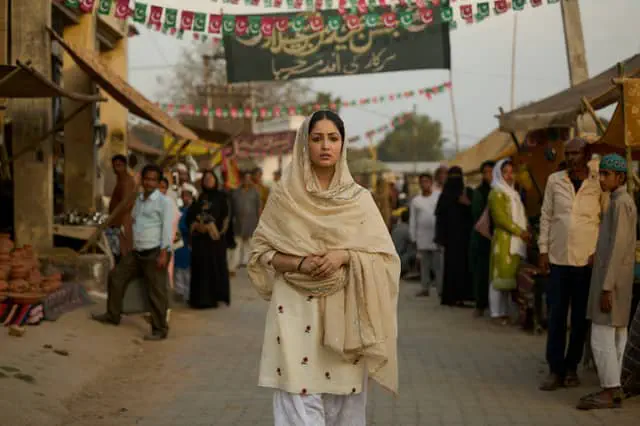
Relevant then and now, Haq scores with its storytelling and performances

An individual’s right to dignity being sacrosanct forms the bedrock of Haq. This is especially resonant in the setup in which the film operates — a time and space where religion, laws, societal norms and gender bias are heavily stacked against its protagonist, but one who refuses to go down without fighting the good fight. That is the battle — both in court and outside it — that Shazia Bano (Yami Gautam Dhar) wages for more than a decade against her husband Abbas Khan (Emraan Hashmi). Her demand? That Abbas pay maintenance towards their three children even after he claims to have divorced her through the highly contentious ’triple talaq’ route after marrying a second time.

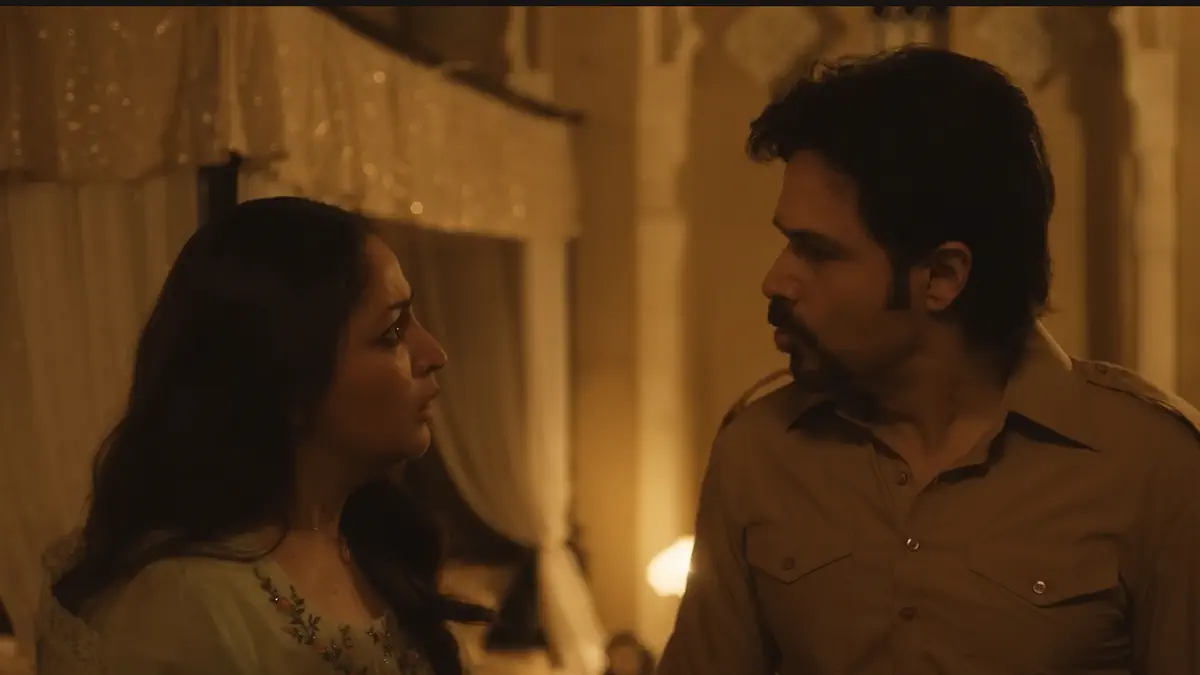
Yami Gautam and Emraan Hashmi shine in this unflinching take on the casual cruelty of tradition

Those who remember the tumultuous eighties would attest that the landmark Shah Bano case reshaped Indian secularism and the fault lines of identity politics for decades. But beyond the courtrooms, objections from clerics and political outrage, a story of faith, human dignity, and a woman’s rights unfolded within the four walls. Cast within the realm of fiction and point of view, this week director Suparn Varma reimagines the story of a devoted wife abandoned post-remarriage, her husband’s instant triple talaq, a brutal severance of support, and a fierce battle for maintenance that ripples a domestic dispute into a national debate, with deep socio-political ramifications.

The Right Fighthaq-4

Some cases are timeless. The Supreme Court ruling that favoured maintenance for Shah Banoo, a Muslim wife and her kids in 1985, resonates even today, nothing outdated about it. In fact, give it to director Suparn Varma and his writer Reshu Nath for making Shazia Banoo (Yami Gautam Dhar) so relevant that her fight for justice transcends religious boundaries.
Navigates delicate questions about faith, secular law, and gender relationships with sturdy storytelling

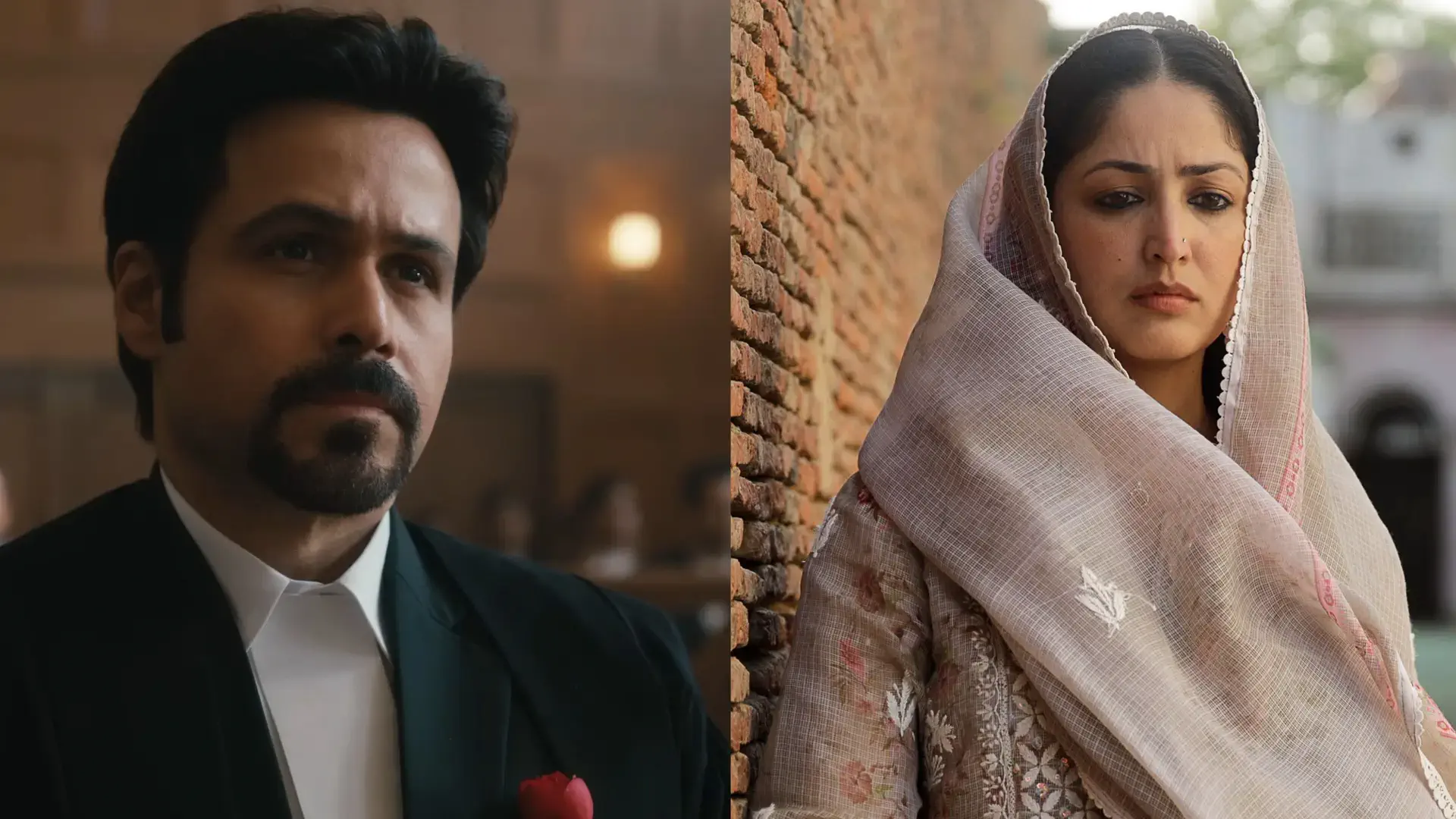
Simple-Minded Solidarity

Hindi cinema operates in extremes. On the one hand, you have the blatant Islamophobia and sectarianism of recent propaganda films. These films dig around in history to single out a particular community. The other approach is rarer: calm, sober-sided films made with a measure of dignity and intent. Yet these films also have a tendency to hedge, to oversimplify. Too often, they reduce complex realities to pat displays of solidarity. I felt that way about Ground Zero, a Kashmir-set military film with a passing yet palpable concern for local lives. And I feel much the same about Haq, which dramatises the landmark Shah Bano case from the 1980s. Incidentally, both films star Emraan Hashmi.
Latest Reviews

Dhurandhar: The Revenge
Action, Crime, Thriller (Hindi)
As rival gangs, corrupt officials and a ruthless Major Iqbal close in, Hamza's mission for his… (more)

The Astronaut
Science Fiction, Horror, Thriller (English)
After returning from her first space mission, astronaut Sam Walker is placed under NASA’s care at… (more)